Blog

Site-Directed RNA Editing: Unlocking New Avenues for Precision Medicine

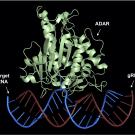
In genetics, it is common knowledge that the blueprint of life lies within the intricate structure of DNA. However, a lesser-known but equally important player in the process of gene expression is RNA. From my previous blog, we learned that RNA carries the instructions encoded in DNA and helps to synthesize proteins that dictate the functioning of living organisms.

The Golden Era of RNA-Based Therapeutics

The development of mRNA vaccines against COVID-19 has showcased the potential of RNA-based approaches, generating significant enthusiasm and investment in the field. RNA-based therapeutics offer new potential treatments for a range of diseases, taking advantage of the natural role of RNA in gene expression and allowing for targeted gene regulation and protein synthesis. In this blog, we will explore the types of RNA-based therapeutics, their advantages and limitations, and the current state of research in the field. But first, let’s define what an RNA molecule is.

Microfluidics: Doing More with Less - Part 3

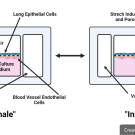
This is Part 3 of a three-part series on biological applications of microfluidic devices. Part 1 covered the history, physics, and popular fabrication methods of microfluidic devices, while Part 2 discussed the application of microfluidic devices in low resource and point-of-care applications.

RNA Editing Affects Repair of DNA Damage by the NEIL Enzyme

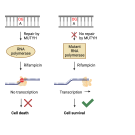
DNA damage is a phenomenon that can be detrimental to genomic integrity. Thankfully, our bodies have adapted many pathways to repair such DNA damage to prevent mutagenesis and cell death. There are many different topics related to DNA damage and repair, and I have recently focused on two other interesting topics related to this. In my first blog, I touched on the epigenetic role of DNA damage.

The Many Dangers of Tobacco Use

“Don’t smoke.”

In this day and age, we have all heard this refrain over and over from a very young age. From the high taxes on cigarettes and other tobacco products to the no-smoking public campaigns, it’s been drummed into heads (and our wallets) that smoking is bad for us.  But why is it so bad? And why do so many people smoke anyway knowing that it’s bad for them?

Neuroplasticity

The brain is a complex organ that controls every physical movement we have or ever will make and houses our sense of self.  As merely on average 3-pound organ, the brain is somehow able to govern all our sensory input coming from sight, smell, touch, taste, and hearing and assemble messages in a way that directs our thoughts, speech, movement, and internal organ functions.

Microfluidics: Doing More with Less - Part 2

This is Part 2 of a 3-part series on biological applications of microfluidic devices. Part 1 covered the history, physics, and popular fabrication methods of microfluidic devices. This part will cover the application of microfluidic devices in low resource and point-of-care applications, while Part 3 will discuss the role of microfluidic devices in cutting edge technologies.