Blog

Endoplasmic Biotech-You-Learn

Science is full of jargon and wonderful multi-syllabic words that roll off the tongue. One of my favorite biology phrases from junior high school days is “endoplasmic reticulum”.  With this blog, we’ll be going “endoplasmic” or “inside the cell” to find out more about the latest biotech-related research and global challenges. Our Designated Emphasis in Biotechnology PhD student bloggers will be writing for a general audience, aiming to educate and myth-bust about popular science topics, as well as highlighting campus research projects. Bloggers will also be sharing their experiences of graduate school, biotech-related internships and professional development advice for a wide range of professional career paths. DEB students are drawn from 29 STEM disciplines across the life sciences and engineering, so this blog will be a smorgasbord of biotech fun. Enjoy!  

- Dr. Denneal Jamison-McClung

Modern-Day Fluorescent Techniques in Research

Modern-Day Fluorescent Techniques in Research

by Chidera Alim

Fluorescence microscopy techniques have been used extensively for both research and diagnostic purposes. Recent advances in fluorescence microscopy have enabled detailed investigation and understanding of life on an intracellular level. This originates from tools and techniques that allow visualization of molecular signaling events. Before we discuss these techniques, let’s briefly review the concept of fluorescence.

Business Development (BD): A Non-Traditional Career Path for Ph.D.’s

Business Development (BD): A Non-Traditional Career Path for Ph.D.’s

by Marwa Zafarullah

The increasing number of Ph.D. graduates every year and the limited availability for faculty positions is elevating interest in exploring non-traditional career paths in industry for successful career establishment. Now the questions are, what alternative careers are out there? How is business development a career option? Why are Ph.D.’s perfect candidates for it?

How Can We Cut and Repair Defective Genes?

How Can We Cut and Repair the Defective Genes?

by Marwa Zafarullah

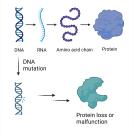
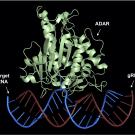
Advanced genome editing tools improve our ability to cut and repair the defective genes responsible for various diseases in human beings, along with the generation of animal models and agricultural applications. Now the questions are, how does genome editing work? What are the platforms and applications? What are the challenges faced?